Rhinotapir
View
Rhinotapir
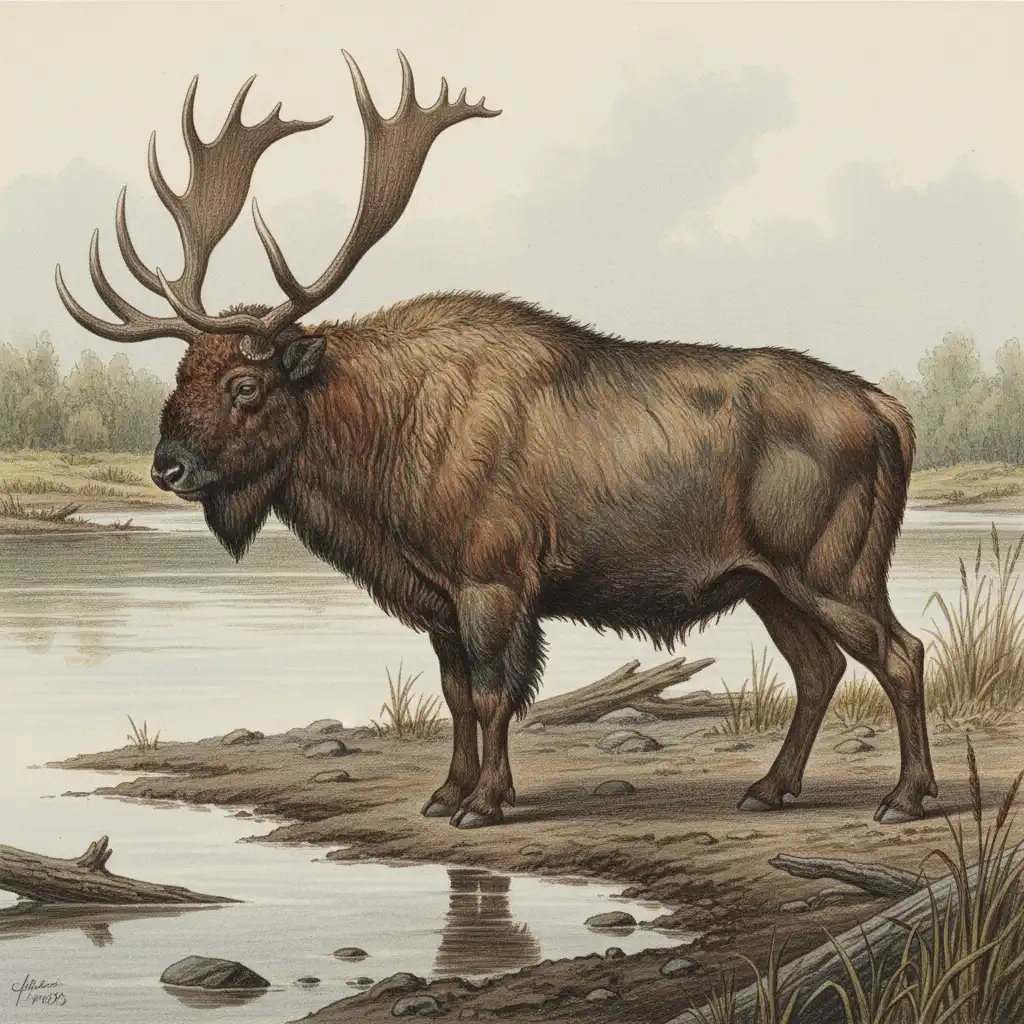
Amphibious horned ungulate

Loading image…
type:
Beast
habitat:
diet:
Herbivore (aquatic plants, soft bark)
temperament:
Wary but territorial
size:
2.2 m length; ~900 kg
notable_features:
keratin horn on nasal ridge; prehensile rostrum; splayed, webbed toes; calf striping
Rhinotapir is a semi-aquatic megafaunal beast native to backwater channels and flooded forests. It dominates reed-choked banks across the Murkfen Delta and lower reaches of the Driftwood Canopy. It is valued for durable hide and threatened by poaching pressure from River Warden patrol gaps and predation by the Bog Wyvern.
Description
- Stocky, barrel-chested body with dense, water-repellent hide.
- Single forward-canted keratin horn on the nasal ridge; used for rooting and defense.
- Flexible, short rostrum able to grasp reeds and strip bark.
- Splayed, partially webbed toes for marsh traction and swimming.
- Dull slate-to-mud coloration; calves display high-contrast striping and speckles.
Class
- Creature Type: Beast (Large)
- Threat Tier: Mid (territorial adults), Low (calves)
- Behavior: Crepuscular grazer; forms small pods (3–6) around oxbow pools.
Quotes
- "Give the bank to the rhinotapir. You can have the trail behind it." — River Warden
- "Horn like a battering-ram, heart like wet rope—until you corner it." — Sedge-Trader Ilyo
- "Calf stripes vanish with the first flood." — Marsh Naturalist Bren
Image Gallery
Loading image…
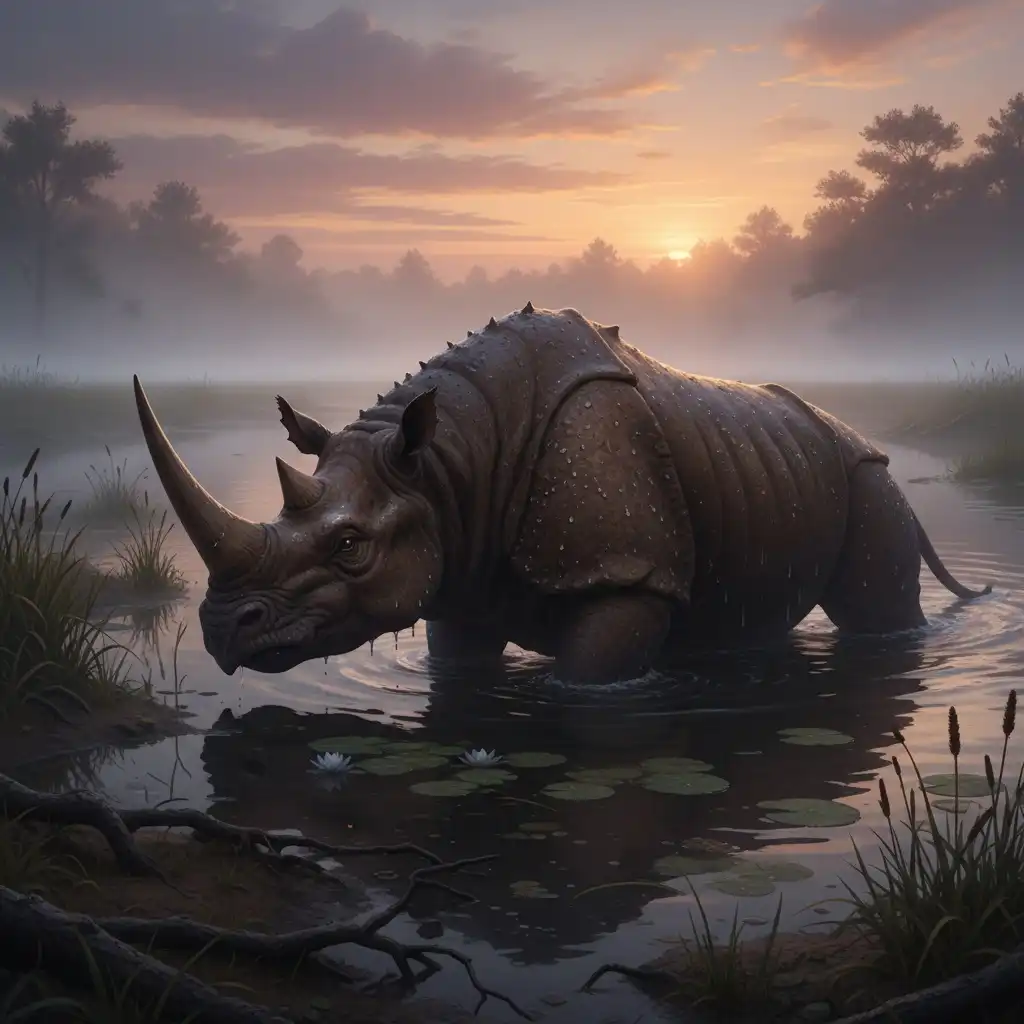
An adult rhinotapir surfacing in the Murkfen Delta shallows
Loading image…
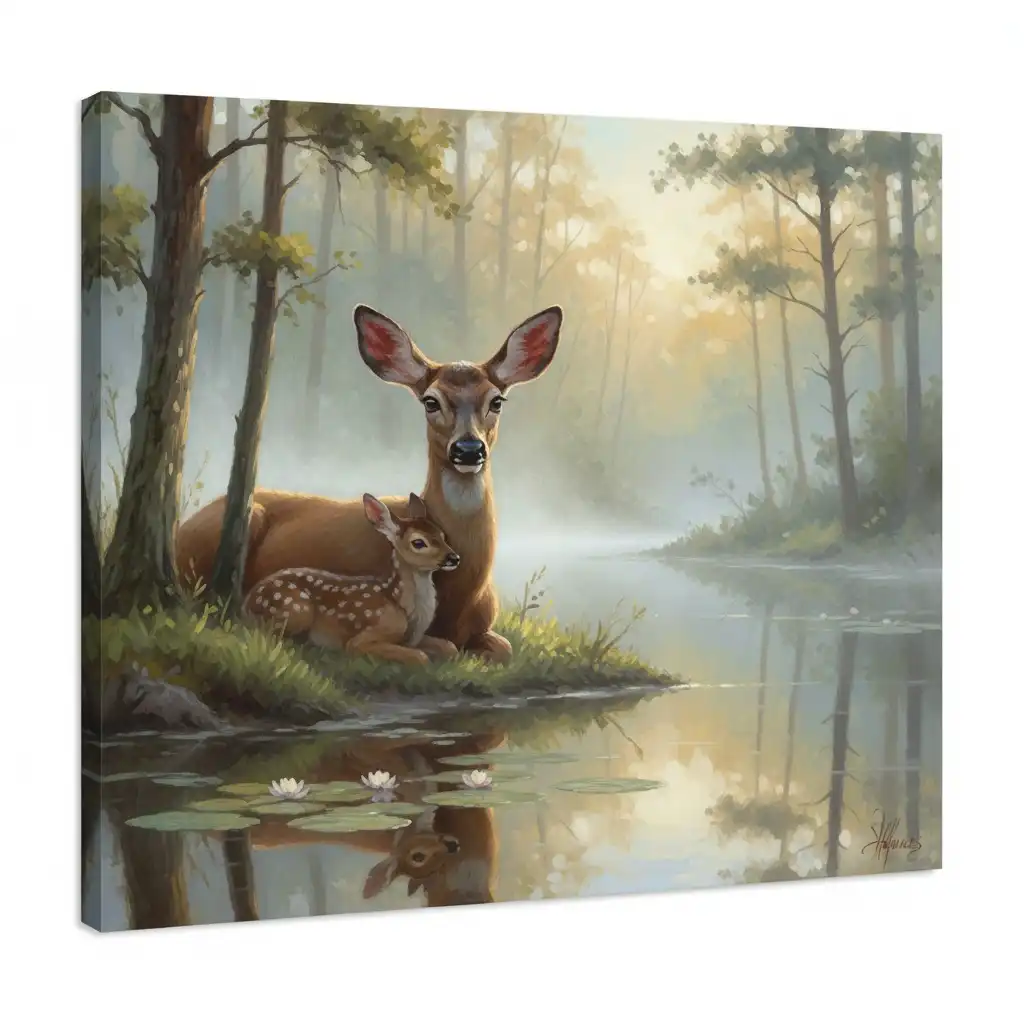
A cow guarding her calf near a driftwood snag
Loading image…
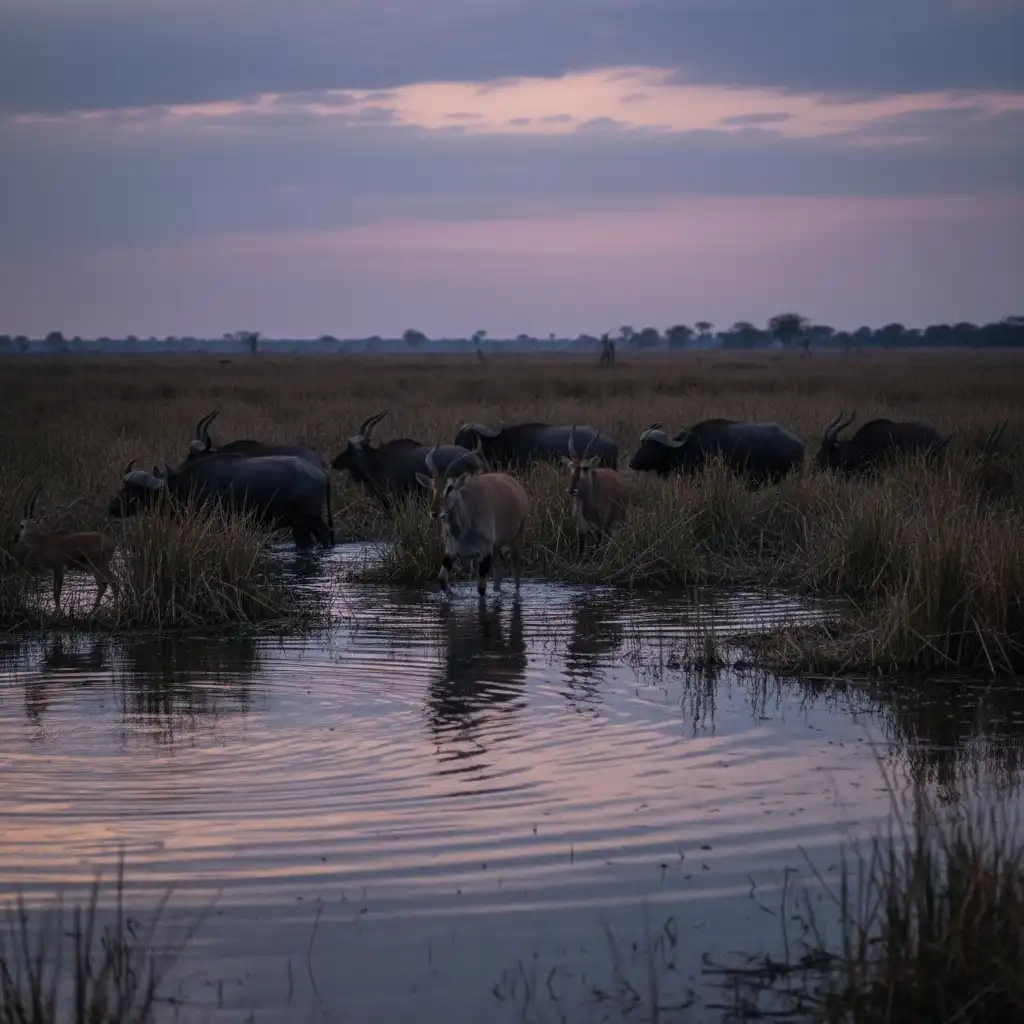
A pod crossing a reed-choked channel at twilight
Has
Abilities
- Marsh Trample: Short charge that knocks back smaller threats in shallow water.
- Rooter’s Shove: Leverages the nasal horn to pry logs and dislodge obstacles.
- Sounder Call: Low-frequency bellow that rallies nearby podmates.
- Breath Hold: Remains submerged up to 6 minutes with nostrils sealed.
- Bank Sense: Detects unstable mud and hidden drop-offs when wading.
Limit Break / Special
- Bull Rush: A dominant bull performs a sustained, straight-line charge through reeds and drift piles, ignoring slow and difficult terrain for a short duration.
Biography
Rhinotapirs likely diverged from upland tapir-like ancestors when flood regimes expanded across the Murkfen Delta. Selective pressure from ambush predators such as the Mire Panther favored heavier mass and a defensive horn. Seasonal movements track reed growth and fresh bark exposed by monsoon scouring near the Driftwood Canopy.
Human contact is frequent. River Warden posts discourage illegal horn harvesting, while traders like Sedge-Trader Ilyo barter for shed horn plates and cast-off hide. Calves are occasionally rescued after floods and re-wilded under the guidance of Marsh Naturalist Bren.
Appearance
- Adults: Slate-gray to peat-brown, sparse bristles along spine, thick neck folds, small eyes set high.
- Horn: Matte keratin, ridged base; older males show scarring and blunted tips.
- Limbs: Columnar with broad, webbed toes; mud-stained fetlocks common.
- Calves: Tawny base with cream stripes and spots; stripes fade by first wet season.
Personality
- Wary around unknown movement; steadies quickly if unharassed.
- Strong parental defense; cows place bodies between calves and threat.
- Bulls maintain relaxed dominance until challenged, then escalate fast.
Homespace / Base / Habitat
- Oxbow lakes, flooded gallery forests, and reedbeds of the Murkfen Delta.
- Seasonal browse corridors beneath the Driftwood Canopy.
- Rest middens along firm levees; wallows near peat seeps.
Relationships
- Predators: Bog Wyvern, Mire Panther.
- Competitors: Mire Boar for tubers and wallows.
- Allies/Associates: River Warden (protection), Marsh Naturalist Bren (study), Sedge-Trader Ilyo (trade).
Trivia
- The nasal horn continues growing slowly throughout life; growth rings mark flood years.
- Calf striping patterns are unique identifiers used by wardens’ surveys.
- Pods often follow routes first cut by Mire Boar, widening them into stable crossings.